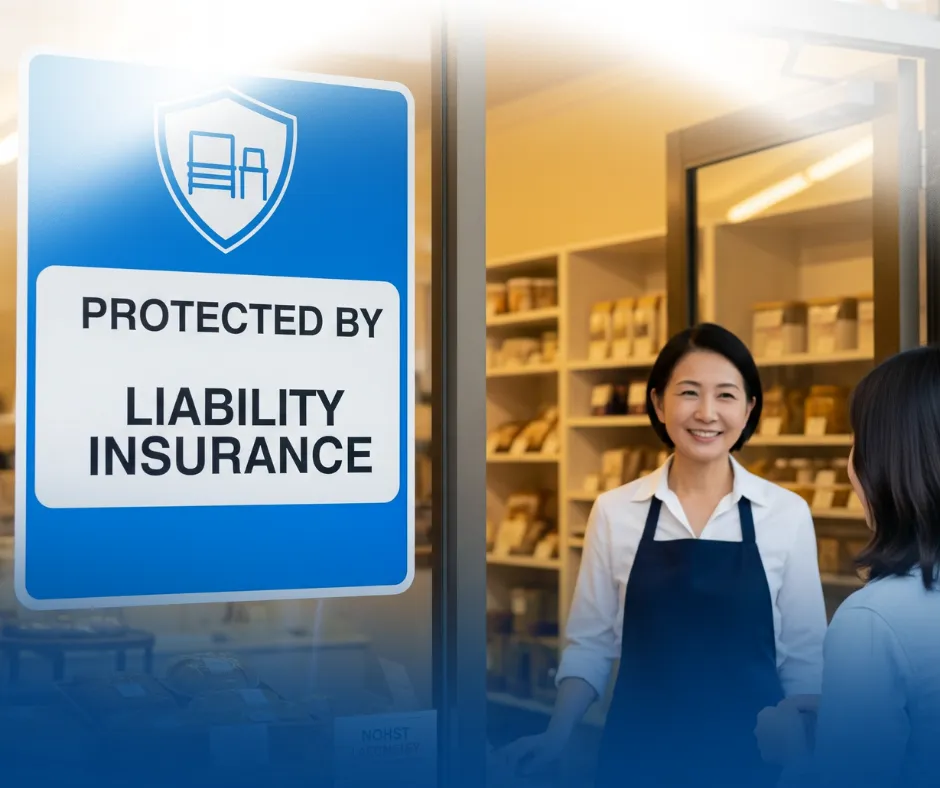
Why Your Business Needs Liability Insurance (Even If You Think It Doesn’t)
Running a business is exciting, rewarding, and—let’s be honest—a little nerve-wracking. Whether you’re a seasoned entrepreneur or just launched your first startup, one thing is certain: risk is part of the game. That’s where liability insurance comes in. It’s not just a safety net—it’s your business’s best friend when things go sideways.
What is Liability Insurance?
Liability insurance protects your business from claims involving bodily injury, property damage, and other liabilities that can arise during operations. It’s the coverage that steps in when someone slips on your floor, a product malfunctions, or a client claims financial loss due to your services.
Types of Liability Insurance
General Liability Insurance: Covers common risks like customer injuries and property damage.
Professional Liability Insurance: Also known as Errors & Omissions (E&O), this protects service-based businesses from claims of negligence or inadequate work.
Product Liability Insurance: Essential for manufacturers and retailers, this covers damages caused by defective products.
Cyber Liability Insurance: With data breaches on the rise, this protects against losses from cyberattacks and data leaks.
Employment Practices Liability Insurance (EPLI): Covers claims related to wrongful termination, discrimination, and harassment.
Why It Matters—Even for "Low-Risk" Businesses
Think your business is too small or too safe to need liability insurance? Think again. Accidents and lawsuits don’t discriminate. A single claim—even if unfounded—can cost thousands in legal fees. Liability insurance ensures your business survives the storm.
Real-World Examples
A customer trips over a rug in your office and breaks their wrist. Medical bills and legal fees? Covered.
A client sues your consulting firm for bad advice that led to financial loss. E&O insurance to the rescue.
Your employee accidentally damages a client’s property during a service call. General liability has your back.
Legal Requirements and Contracts
In many states, certain types of liability insurance are required by law. Additionally, clients and landlords often demand proof of coverage before signing contracts or leases. Having insurance isn’t just smart—it’s often mandatory.
Building Trust with Clients
Clients want to know they’re working with a responsible, professional business. Liability insurance signals that you’re prepared, reliable, and serious about protecting your clients and your company.
Cost vs. Risk
The cost of liability insurance varies based on your industry, size, and risk exposure. But compared to the potential cost of a lawsuit, it’s a bargain. Think of it as an investment in your business’s longevity.
How to Choose the Right Coverage
Assess Your Risks: Consider your industry, operations, and client interactions.
Work with an Agent: A licensed insurance agent can help tailor a policy to your needs.
Review Annually: As your business grows, so do your risks. Update your coverage regularly.
How to Choose the Right Coverage
“I work from home, so I don’t need insurance.” False. Home-based businesses face risks too.
“I’m a sole proprietor, so I’m not liable.” Wrong. You’re personally liable without coverage.
“Insurance is too expensive.” Not having it is more expensive.
At RxP Insurance Services, we specialize in helping businesses across the Tri-State area and beyond find the right liability coverage. Whether you’re a startup or a seasoned enterprise, we’ve got your back.
📞 Contact us today for a free consultation and quote. Let’s protect your business—together.


