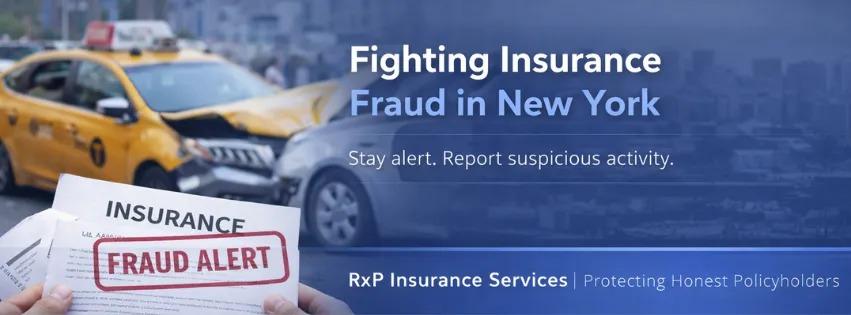
How New York Fights Insurance Fraud: Prevention, Reporting & Enforcement
Insurance fraud costs billions every year — and in New York, it’s taken very seriously. From staged accidents to falsified claims, fraud drives up premiums for everyone.
The good news? New York has robust systems in place to prevent, detect, and punish insurance fraud.
What Is Insurance Fraud?
Fraud occurs when someone intentionally deceives an insurance company for financial gain. Common types in New York include:
Staged car accidents
Inflated medical billing
False property damage claims
Workers’ comp fraud (fake injuries)
New York’s Anti-Fraud Framework
The New York State Department of Financial Services (DFS) and the Insurance Frauds Bureau lead enforcement.
Prevention
Mandatory fraud-warning statements on claim forms
Data sharing among insurers and law enforcement
Training for adjusters and medical providers
Reporting
Consumers can report suspected fraud online or via hotline
Whistleblower protections exist for employees reporting fraud
Enforcement
Fraud is a felony in many cases
Convictions can lead to prison, restitution, and heavy fines
DFS publishes fraud arrest reports to deter offenders
How Fraud Impacts You
Raises premiums across the state
Delays legitimate claim processing
Undermines trust in the insurance system
What Consumers Can Do
Be alert for staged accident scams
Keep accurate records of claims
Report suspicious activity immediately
FAQs
Q: How much does fraud cost NY drivers?
A: Hundreds of millions annually in higher premiums.
Q: Can I stay anonymous when reporting fraud?
A: Yes. DFS accepts anonymous tips.
Bottom Line
Insurance fraud isn’t just a crime — it’s a cost we all share. Staying informed and reporting suspicious activity helps keep premiums lower for everyone.
👉 At RxP Insurance Services, we educate clients on spotting red flags and staying protected.


